



Buying a Texas Ranch. Key Factors Every Buyer Should Evaluate.
Texas ranch ownership attracts buyers from across the country. Many buyers picture open land, wildlife, and privacy. A successful purchase requires careful evaluation of the land, water, access, and surrounding activity. Years of ranch brokerage across Texas show clear patterns in what separates a strong purchase from a costly mistake.
Start With Acreage and Water
Many buyers focus on improvements first. Large homes, barns, and lodges catch attention. Land and water drive long term value.
More acreage creates flexibility. Larger tracts support wildlife habitat, hunting leases, grazing, and long-term appreciation. Additional land also protects privacy and future options.
Water ranks among the most important assets on any ranch. Reliable water supports wildlife, livestock, and property usability. Buyers should evaluate wells, ponds, creeks, and spring sources. A ranch with dependable water holds stronger long term value across Texas markets.
A common rule many experienced landowners follow remains simple. Buy as much acreage as possible first. Improvements follow later.
Evaluate the Land Features
Several physical features influence the quality and functionality of a ranch.
Water Sources
Water supports wildlife and long-term land health. Wells, ponds, springs, and creeks improve both habitat and usability.
Road Access
Access affects convenience and value. Buyers should confirm legal access, road conditions, and year-round entry to the property.
Wildlife Presence
Many ranch buyers seek recreational and hunting opportunities. Whitetail deer, turkey, hogs, and exotic species contribute to hunting value and lease income potential.
Topography
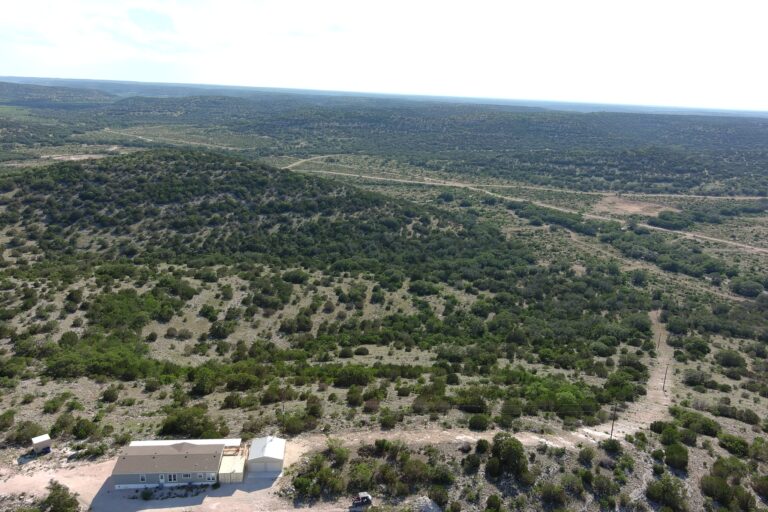
Elevation changes add both beauty and function. Ridges create views. Valleys support habitat and water flow. Varied terrain increases recreational opportunities.
Distance From Major Cities
Travel time influences demand. Ranches within a few hours of Austin, San Antonio, Dallas, or Houston often attract more interest from weekend buyers and investors.
Studying the Surrounding Land
Many buyers study the ranch itself but ignore surrounding properties. Neighbor activity shapes the long-term experience.
Nearby activity might include rock quarries, wind projects, subdivisions, or heavy commercial use. These operations affect noise levels, traffic, and visual impact.
Driving the surrounding roads and speaking with neighbors provides useful insight before making a purchase decision.
Review Easements and Water Issues
Due diligence protects buyers from surprises after closing.
Easements often allow limited access across a property for utilities, pipelines, or neighboring landowners. Buyers should review title commitments and surveys to understand any easement impact.
Water rights and water access also deserve careful review. Wells, groundwater availability, and water infrastructure influence ranch functionality.
Understand the Typical Ranch Buyer
Across Texas ranch transactions, most buyers fall into several categories.
Recreational buyers seek private land for relaxation and outdoor use.
Hunting buyers look for strong wildlife habitat and hunting potential.
Investment buyers purchase land for long term appreciation and income potential.
Full-time agricultural operators represent a smaller share of the modern Texas ranch market.
Avoid a Common Property Tax Mistake
Many first-time buyers overlook the agricultural valuation transfer after closing.
Texas ranches often qualify for agricultural valuation, which reduces property taxes based on land productivity rather than market value.
New owners must apply for or transfer this valuation with the county appraisal district. Failure to file the paperwork often leads to a significant property tax increase.
A ranch with agricultural valuation might carry taxes near two thousand dollars per year. Without the valuation, taxes on the same property often increase several times over depending on county value.
Final Thoughts
Buying a Texas ranch requires careful evaluation of land, water, access, and surrounding activity. Buyers who focus on acreage and water first place themselves in the strongest position for long term value.
Improvements add comfort and convenience. Land creates opportunity.
Ranches provide recreation, investment potential, and long term legacy ownership. Buyers who approach the purchase with strong due diligence and clear priorities build a foundation for successful ranch ownership in Texas.