

Usually, yes. Texas Water Code Section 11.142(a) lets you build a stock tank in Texas on your own property without a state permit. You're limited to 200 acre-feet of normal storage, and the water has to be for domestic and livestock use. Go over that size and you need a permit. Same if you use it for a commercial operation, or pump it for irrigation. Dam safety rules still count either way. So do your downstream neighbors.
This article is general information about Texas water law, not legal advice. Have a water attorney or TCEQ review your specific dam, creek, or well before you build or close.
Buyers ask me this all the time, usually standing next to a draw that looks like it wants a dam in it.
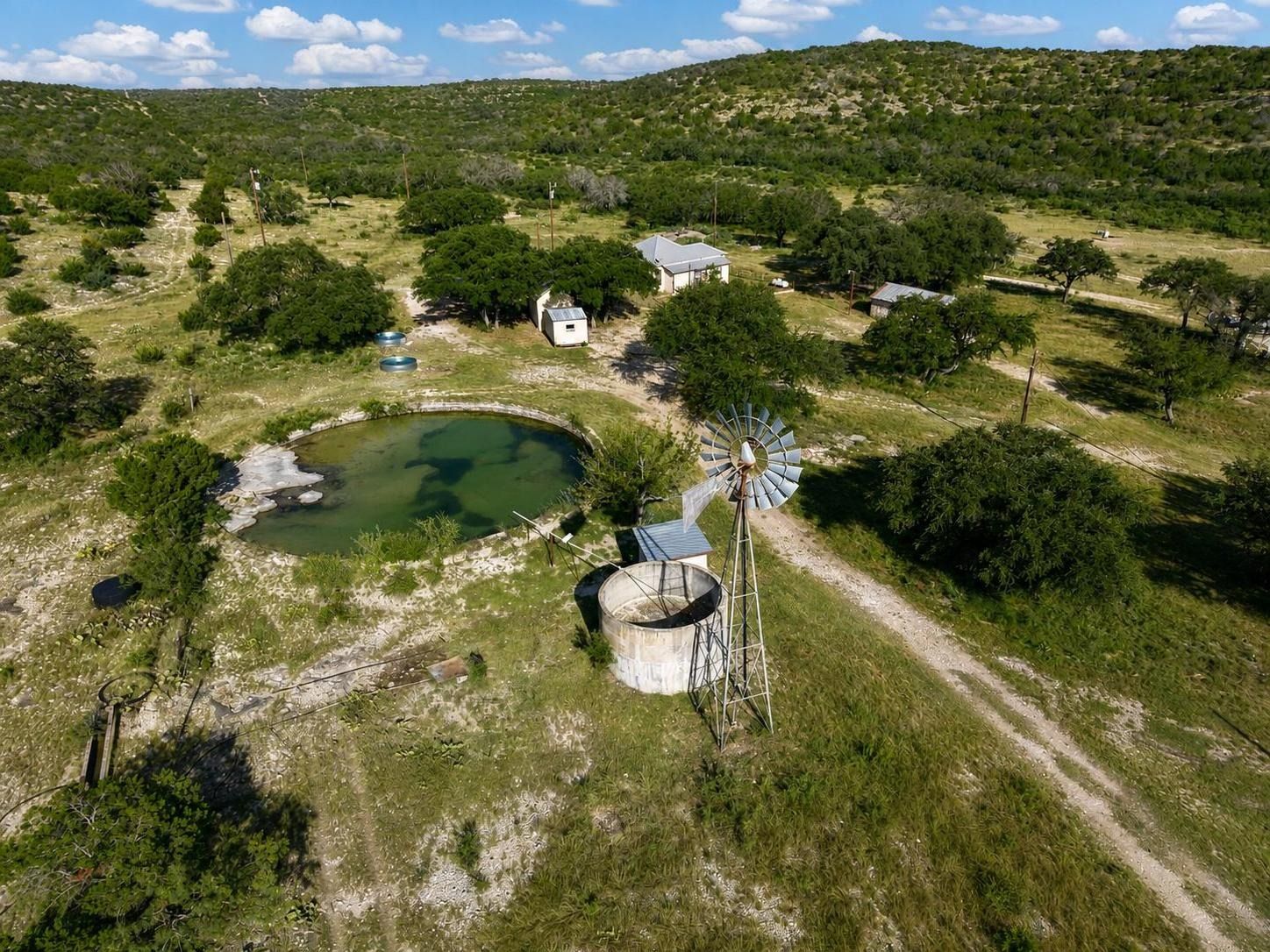
Why you need permission at all: the state owns the creek
Start with who owns the water. Water Code Section 11.021(a) says the water of every flowing river, natural stream and lake, and the storm water, floodwater and rainwater of every river, natural stream, canyon, ravine, depression and watershed in the state, "is the property of the state."
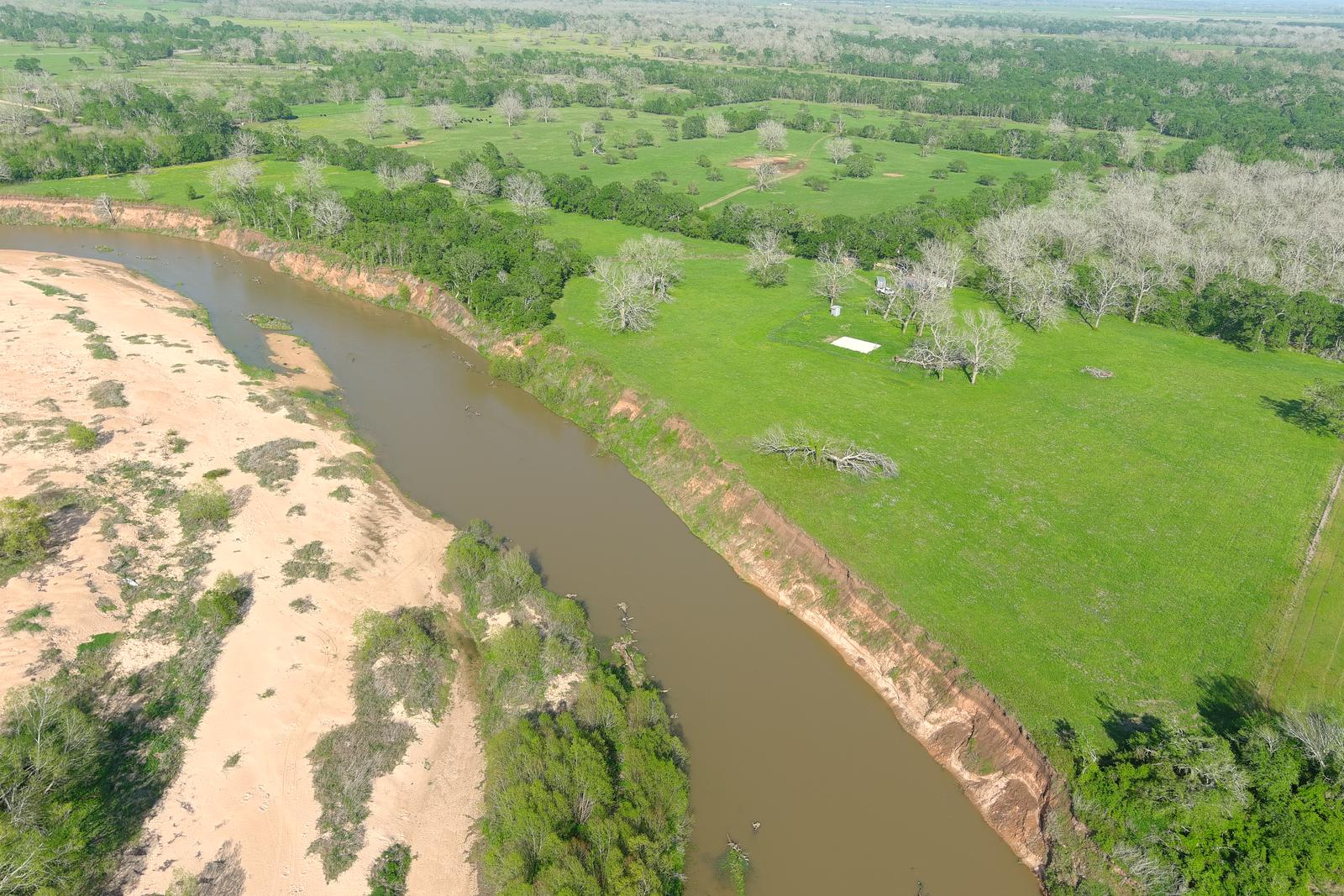
Then Section 11.121 says no person may appropriate state water "or begin construction of any work designed for the storage, taking, or diversion of water without first obtaining a permit" from the Texas Commission on Environmental Quality (TCEQ), unless an exemption applies. A dam is a storage work, so without an exemption it takes a permit.
Groundwater is a different deal. The landowner has rights in it, but district rules can still apply. See groundwater rights in Texas.
How to build a stock tank in Texas without a permit
The exemption most ranches use is Section 11.142(a). It says that without a permit, "a person may construct on the person's own property a dam or reservoir with normal storage of not more than 200 acre-feet of water for domestic and livestock purposes." TCEQ's rule at 30 Texas Administrative Code Section 297.21(b) has the details.
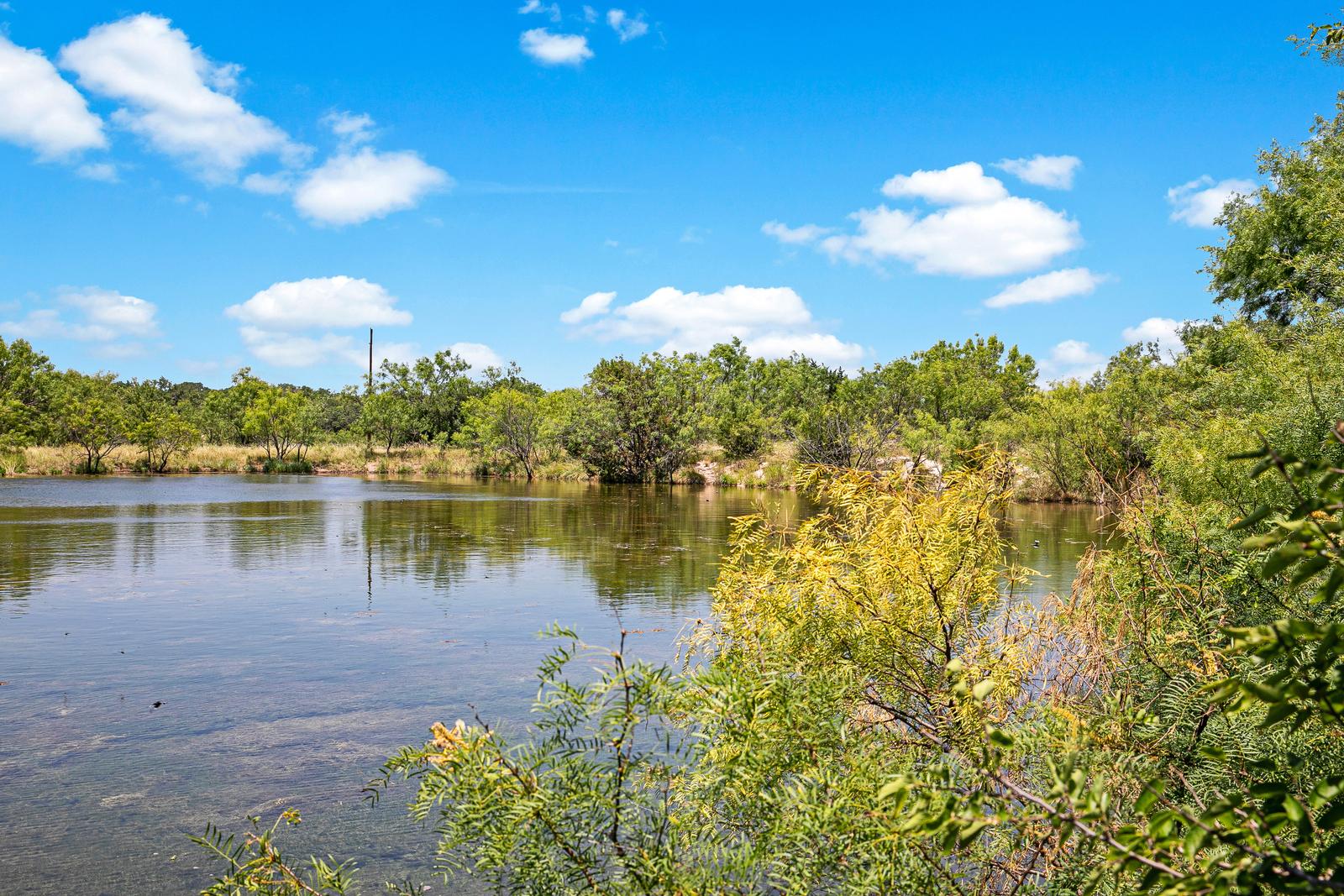
200 acre-feet of normal storage or less
An acre-foot covers one acre one foot deep, over 325,850 gallons per the Texas Groundwater Protection Committee.
TCEQ defines normal storage as the conservation storage of the reservoir, meaning "the amount of water the reservoir may hold before water is released uncontrolled through a spillway or into a standpipe."
A big rain can push a tank over 200 acre-feet for a stretch. You're still covered if you can show it hasn't averaged more than 200 acre-feet in any 12-month period, using capacity data and monthly water level records you keep.
Domestic and livestock use only
The exemption doesn't apply to a commercial operation. But TCEQ's rule says plainly, "Use of land for livestock purposes is not a commercial operation." Watering cattle, goats, sheep and horses is what the exemption is built for.
What about wildlife or hunting? Under Section 297.21(d), free-ranging wild game using the tank on a property where hunters pay to hunt does not trigger a permit for an otherwise exempt tank. A hunting lease by itself doesn't kill the exemption.
On your own property, and not on a navigable stream
The dam has to be on your own property. Under Section 297.21(b), the reservoir can be on-channel, next to the stream, or on a contiguous piece of your property that the stream runs through.
Under Section 297.21(c), an exempt dam "may not be located on a navigable stream." In Texas, Natural Resources Code Section 21.001(3) defines a navigable stream as one that "retains an average width of 30 feet from the mouth up." That's the same 30-foot test that decides who owns a riverbed. If your creek is that wide, the stock tank exemption doesn't apply on that stream.
The wildlife and fish exemption
Section 11.142(b) has a second 200 acre-foot exemption for wildlife. The statute currently carries two versions of subsection (b), one for fish and wildlife purposes on qualified open-space land and one for wildlife management, including fishing but not fish farming, in an unincorporated area.
TCEQ's rule at Section 297.21(e) applies it to wildlife management as defined in Tax Code Section 23.51(7) and fish management, excluding aquaculture or fish farming, on qualified open-space land. It also lines up with wildlife valuation. "Providing supplemental supplies of water" is one of the seven wildlife management practices listed in Tax Code Section 23.51(7)(A).
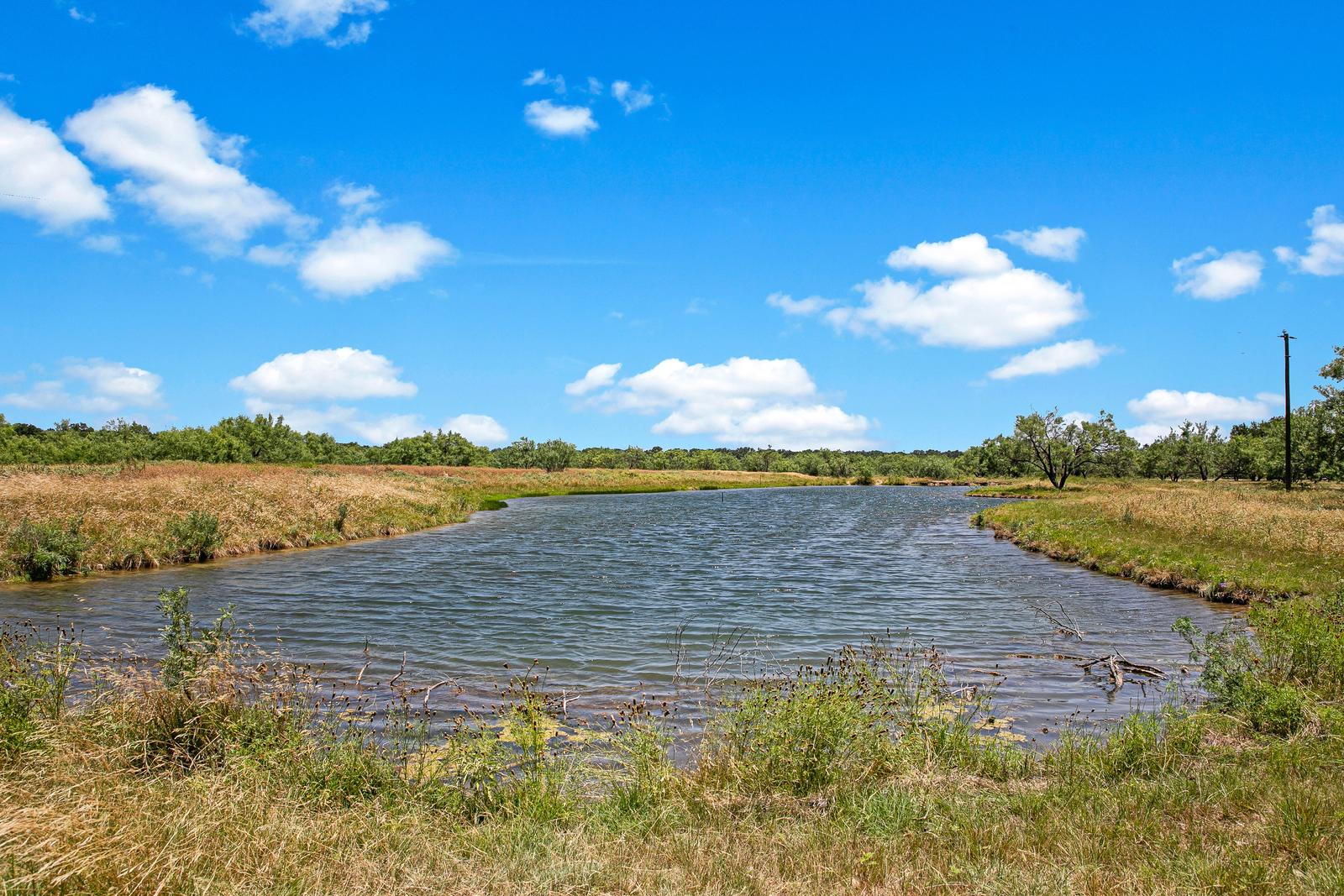
Filling a tank from a well
The 11.142 exemption is about state surface water. Plan on filling a tank from a well, and you're in groundwater, where a groundwater conservation district can still require a well permit, spacing, metering, or production limits. In Edwards County, that district is the Real-Edwards Conservation and Reclamation District (RECRD). Before you drill, or hook a well to a tank, check which district covers the ranch. See groundwater rights in Texas.
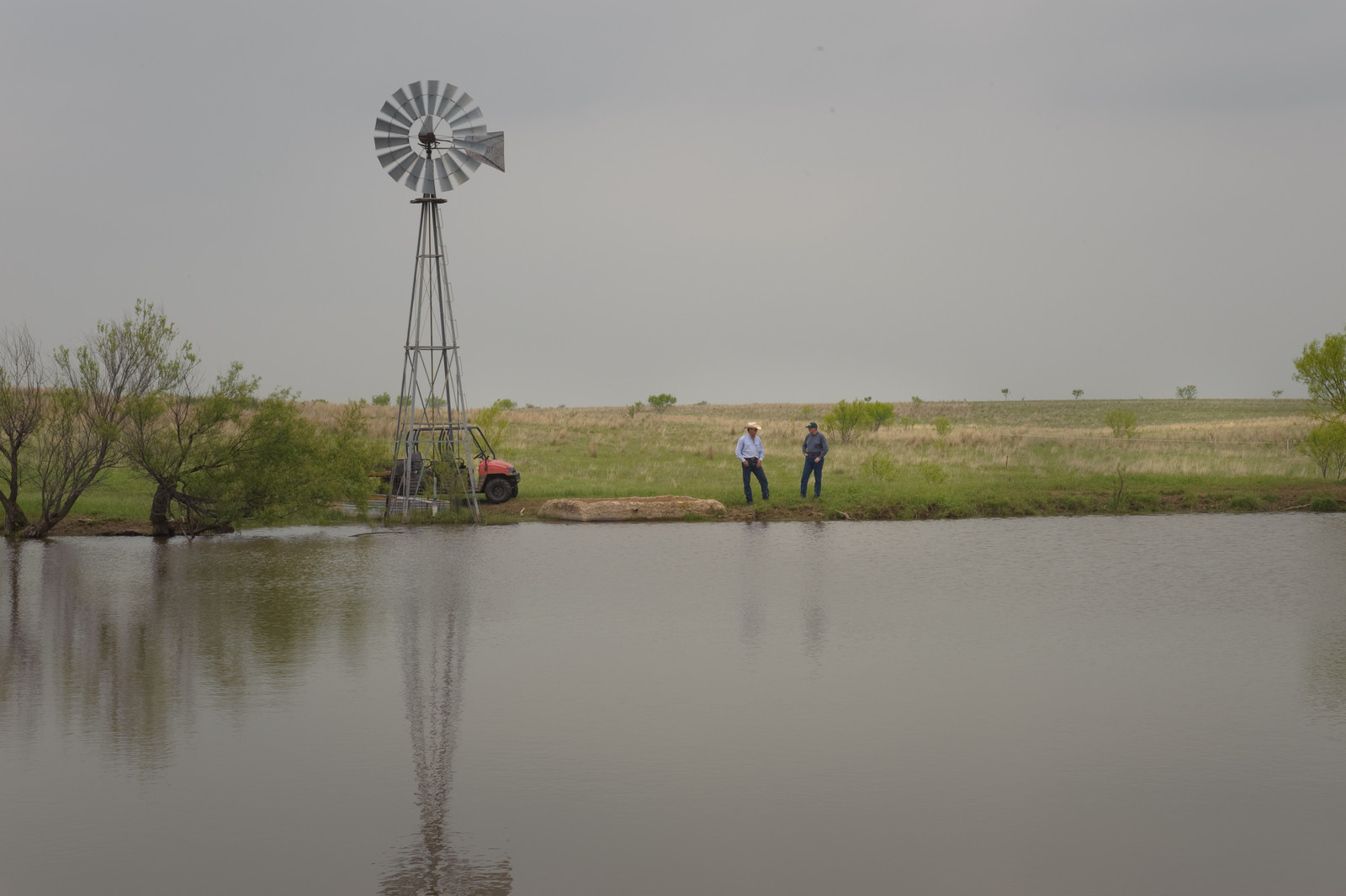
Can you dam a creek on your ranch?
A lot of the time, yes, if the dam fits the exemption and the creek isn't a navigable stream. A creek brings more rules.
Using the tank for something else takes a permit
Section 11.143(a) says the owner of a tank exempt under 11.142(a) or (b) who wants to use the water for a purpose not covered "shall obtain a permit to do so." Irrigating a hay field is a common one. Selling water is another. TCEQ has to find there's unappropriated water, and that the use won't impair existing water rights.
Pumping straight out of the creek
You don't always need a dam. Under 30 TAC Section 297.21(a), you can divert water straight from a stream, without a permit, for domestic and livestock purposes, by pumping or gravity flow, if you own land adjacent to that stream. TCEQ calls that a vested riparian right. It's limited, though: "only to the normal flow in the stream, not to the storm water, floodwater, or authorized releases from storage."
Runoff before it hits a creek
Not every wet spot is state water. The Texas Groundwater Protection Committee explains that diffused surface water, the runoff that sheets across land after a rain, belongs to the landowner until it enters a natural watercourse. Catch that runoff before it reaches a creek, and you're in a different situation than damming the creek itself.
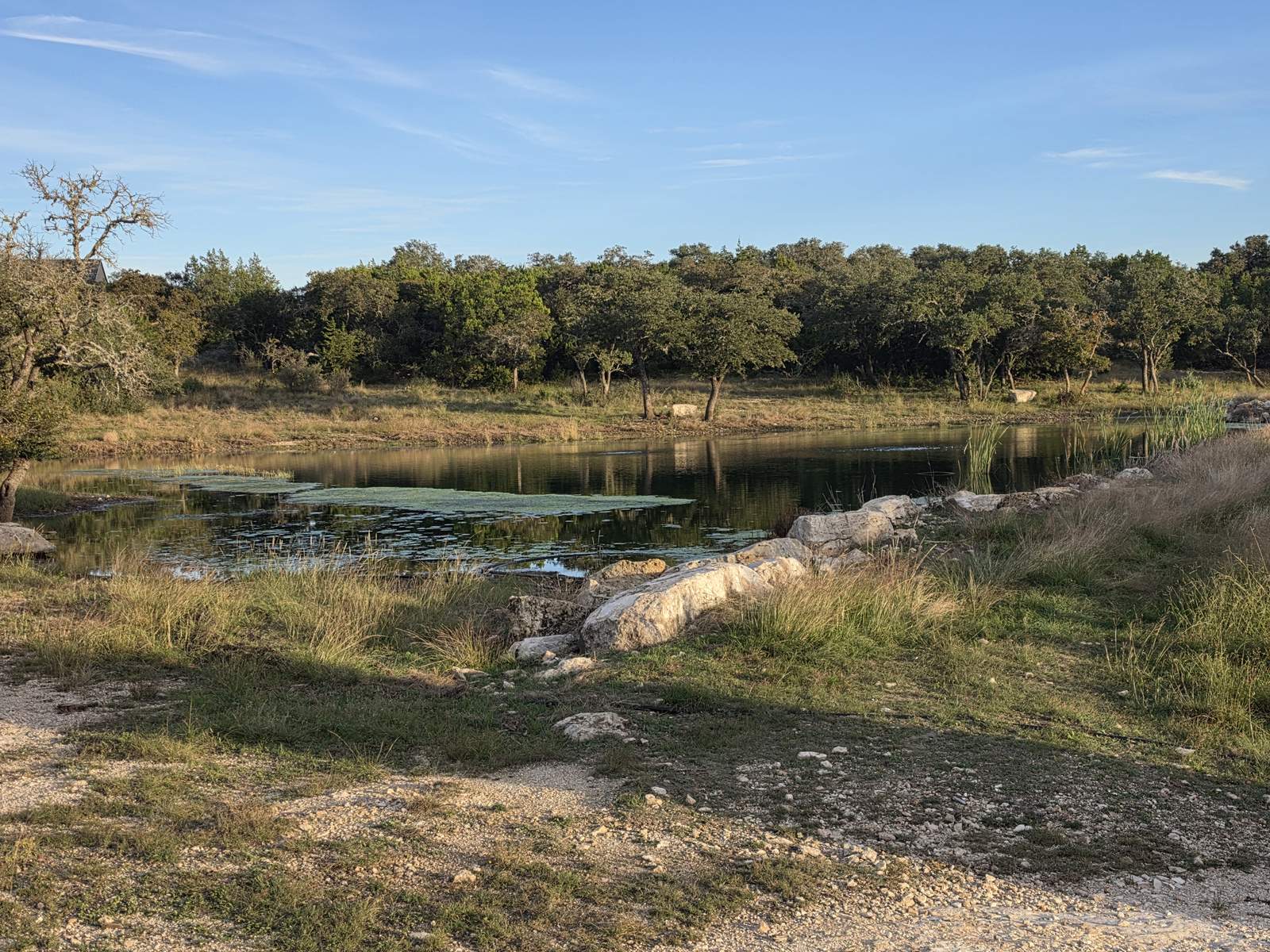
Don't flood your neighbor
Water Code Section 11.086(a) says no person may divert or impound the natural flow of surface water "in a manner that damages the property of another by the overflow of the water diverted or impounded." Under 11.086(b), a neighbor who gets flooded can sue for damages. Back water up onto the place upstream, and the exemption won't help you.
The federal side
The Clean Water Act requires a permit for putting dredged or fill material into federal waters, but 33 U.S.C. Section 1344(f)(1)(C) exempts discharges "for the purpose of construction or maintenance of farm or stock ponds." Section 1344(f)(2) pulls back that exemption when a project brings a water into a new use and may impair flow or reduce its reach. If your creek could count as federal water, call the U.S. Army Corps of Engineers before the dozer shows up.
Dam safety rules for ranch dams
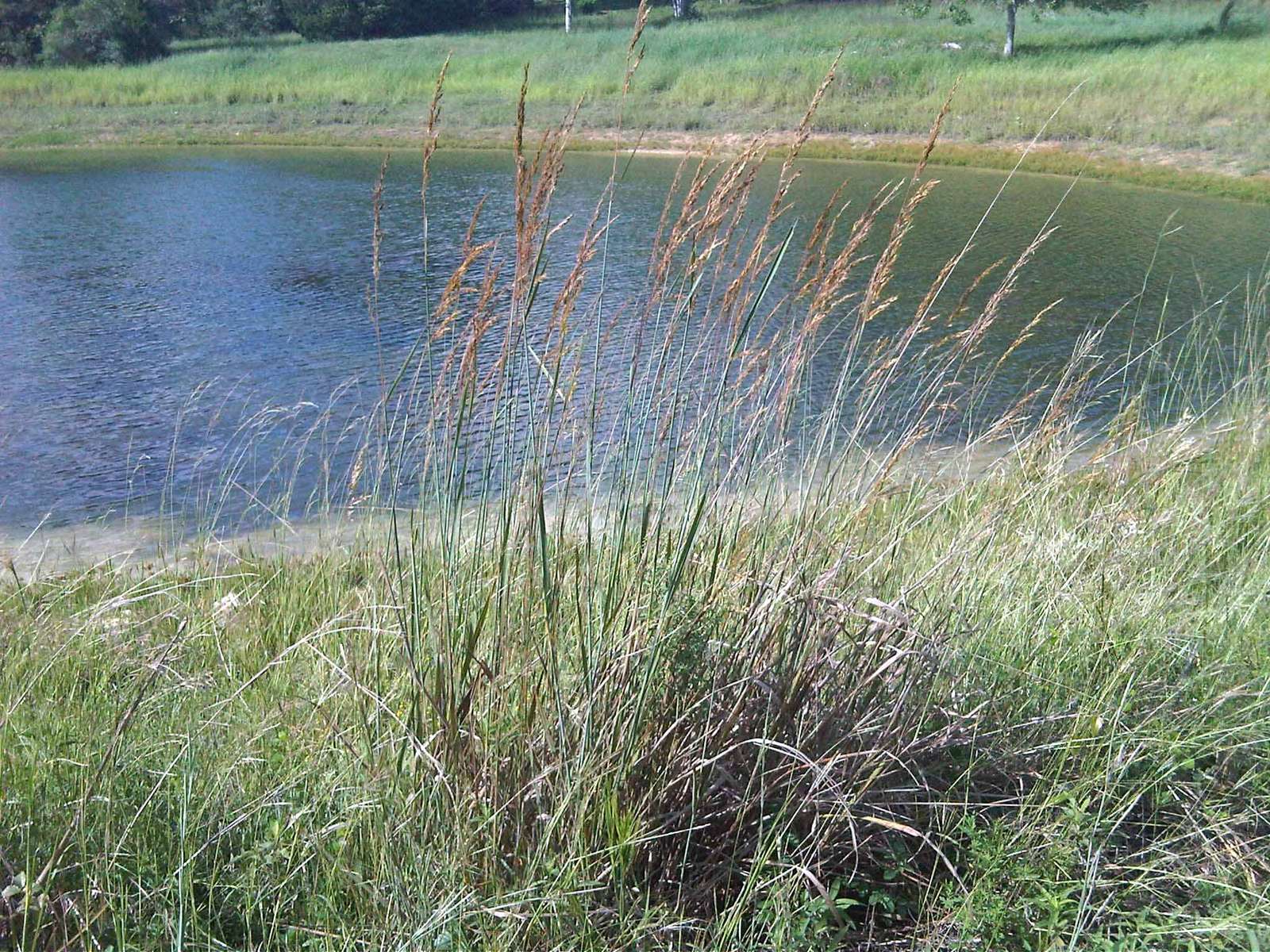
The size and hazard tests live in TCEQ's rules at 30 TAC Section 299.1, adopted under Water Code Section 12.052. Chapter 299 applies to dams that are:
- 25 feet or taller with maximum storage of 15 acre-feet or more,
- over 6 feet tall with maximum storage of 50 acre-feet or more, or
- high or significant hazard dams over 6 feet tall, regardless of storage.
Most ordinary ranch stock tanks never hit those thresholds, and they aren't in the dam safety program. If a dam does meet the size or hazard tests, Water Code Section 12.052(e-1) still requires TCEQ to exempt it from dam safety requirements when it is on private property, impounds less than 500 acre-feet at maximum capacity, has a low or significant hazard classification, sits in a county with a population under 350,000, and isn't inside city limits. TCEQ keeps an exempt county map on its dam safety page.
Section 12.052(e-2) says owners of dams exempt under that provision still have to follow TCEQ's operation and maintenance rules. If TCEQ orders repairs on a regulated dam and the owner willfully doesn't comply, Section 12.052(c) allows a penalty of up to $5,000 a day.
Stock tanks: what to check before you buy
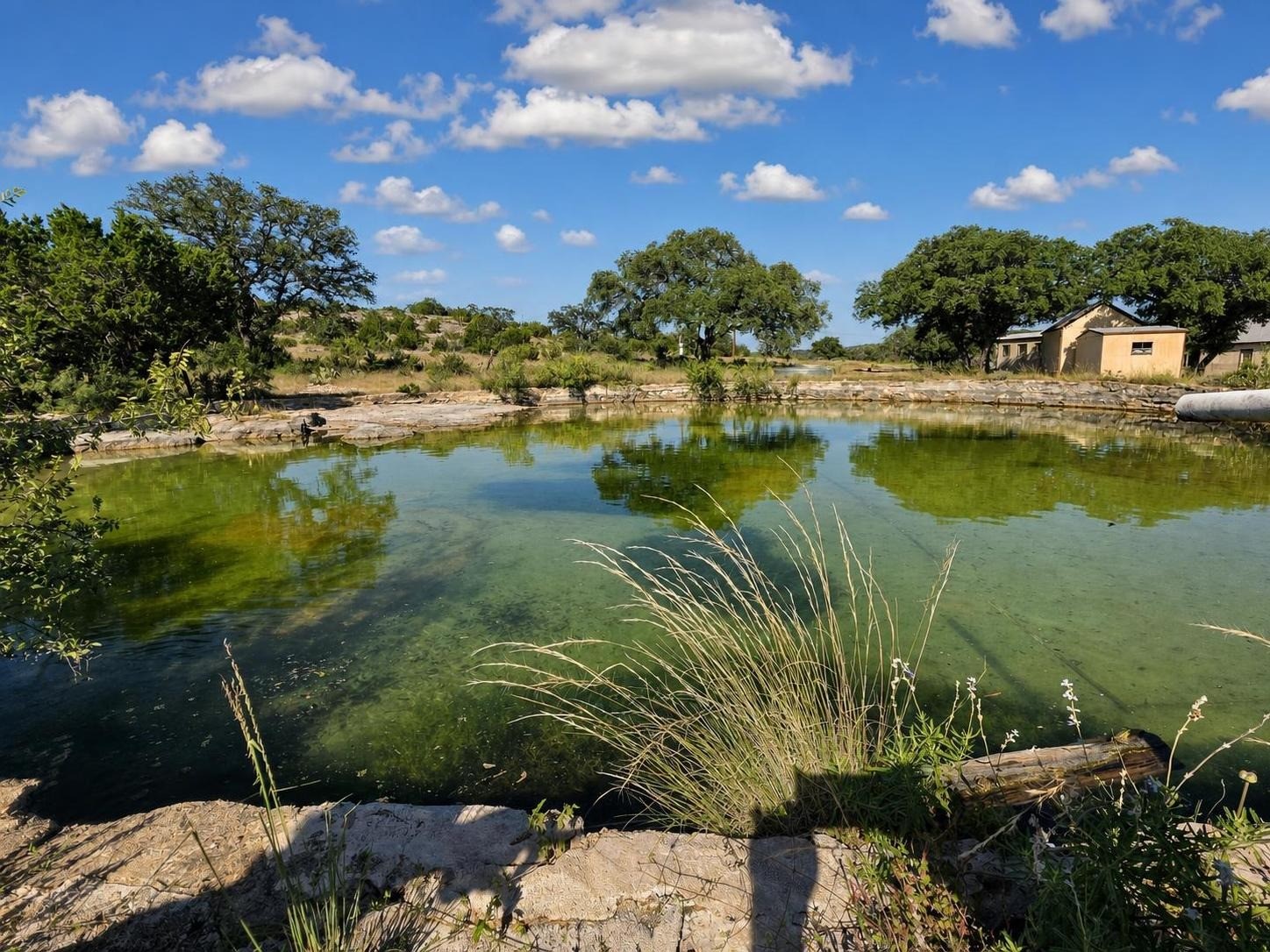
When I walk a ranch with a buyer, I start with what the tank is used for. Cattle and wildlife water fits the exemptions. Irrigation or selling water means asking TCEQ for a permit.
I want a rough size. Surface acres and the depth at the spillway tell you if you're anywhere near 200 acre-feet.
Then where it sits. On a creek, off to the side, or catching runoff? Is the creek near the 30-foot navigable test? Is the whole dam on this property?
If the ranch comes with a permitted surface water right, the TCEQ Water Rights Viewer shows authorized diversion points, a copy of the water right, and current ownership. After closing, file TCEQ's change of ownership form.
The dam itself. Note the height and what sits downstream, like houses or roads. If it may be over the Chapter 299 thresholds, call TCEQ's dam safety program before you buy.
A bigger lake, lake lots, irrigation, or selling water move you out of the exemption. Talk to TCEQ and a water attorney before you close.
Under wildlife valuation, a tank can count as supplemental water. Ask your appraisal district how it fits your plan.
Why it matters for land value
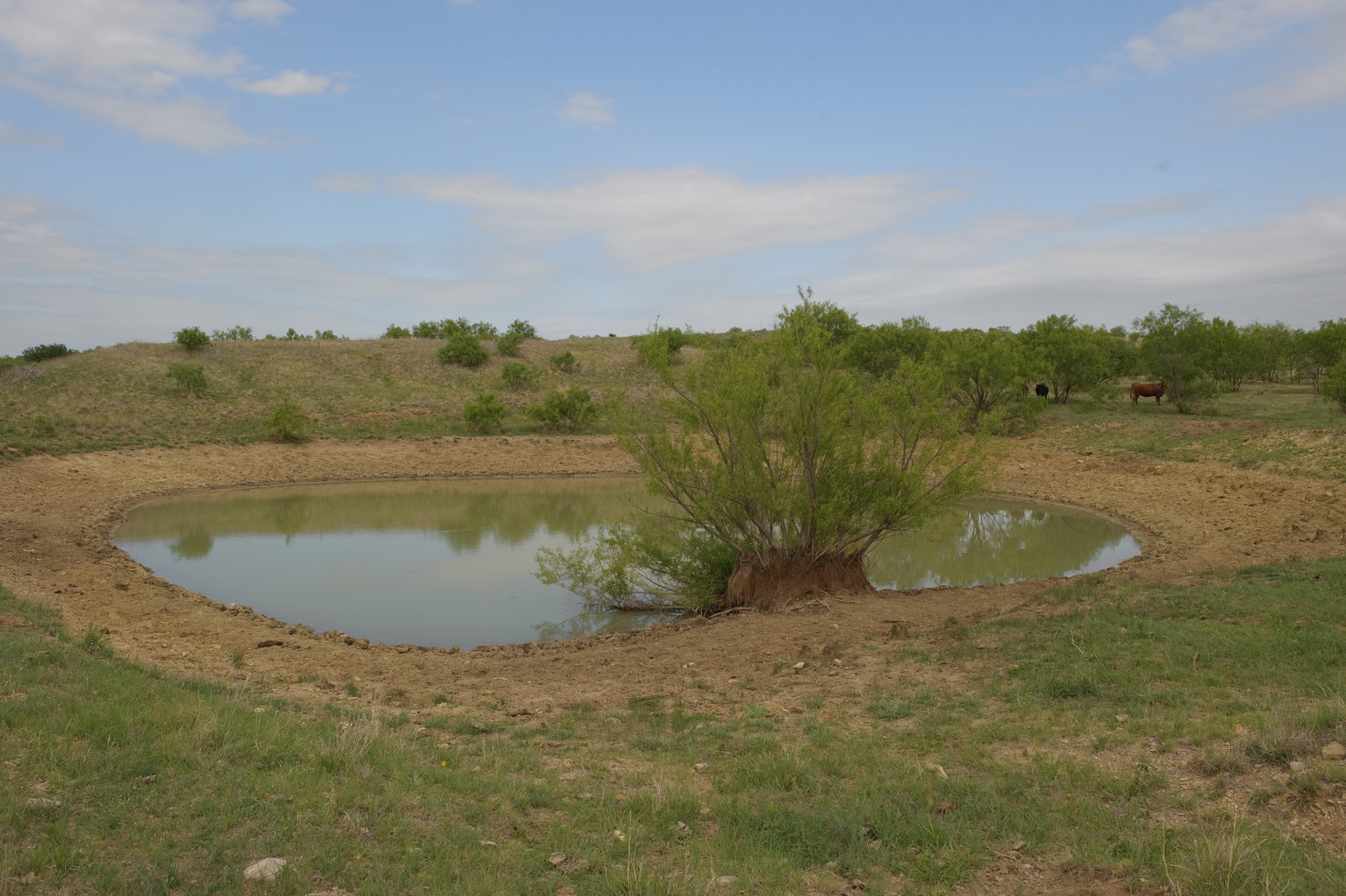
Water is one of the first things buyers ask about on our ranch listings.
For more, see our water information for landowners and our overview of Texas water rights law. If you're looking in Edwards County, start with our Edwards County ranches for sale and how to evaluate a ranch in Edwards County before you buy. Our land buying checklist covers the rest, and if you're selling, here's how to prepare your ranch for sale. You can browse ranches for sale here.
Frequently asked questions
Do I need a permit to build a pond in Texas?
Usually not for a stock tank. Water Code Section 11.142(a) lets you build a dam or reservoir on your own property with normal storage of 200 acre-feet or less for domestic and livestock use without a TCEQ permit. Commercial use takes a permit.
How big can a stock tank be in Texas without a permit?
Up to 200 acre-feet of normal storage, measured at the spillway. If a storm pushes it higher, you're still covered if you can show it hasn't averaged more than 200 acre-feet over any 12-month period.
Can I dam a creek on my property in Texas?
Usually yes, if the dam fits the stock tank or wildlife exemption and the creek isn't a navigable stream, meaning one that averages 30 feet wide from the mouth up. You can't flood a neighbor's property doing it. That's Water Code Section 11.086.
Does a hunting lease make my stock tank commercial?
No. TCEQ's rule says wild game using a tank on a property where hunters pay to hunt does not require a permit for an otherwise exempt domestic and livestock tank. Livestock use isn't a commercial operation either.
Can I irrigate from my stock tank?
Not under the exemption. Water Code Section 11.143 requires a permit to use an exempt tank's water for a purpose the exemption doesn't cover, like irrigation.
Bottom line
You can build a stock tank in Texas without a permit if it's on your land, holds 200 acre-feet or less at the spillway, and waters your house, livestock or wildlife. The creek still belongs to the state, your neighbors still have rights, and dam safety rules can apply to a big dam.
Water law and TCEQ rules change and depend on your property's facts. This overview can't replace a review of the current requirements for your particular dam, creek, or well.
Questions? Email jb@jamesbigleyranches.com or call 830-609-8056.
Sources
- Texas Water Code ch. 11 (Secs. 11.021, 11.086, 11.121, 11.142, 11.143): https://statutes.capitol.texas.gov/Docs/WA/htm/WA.11.htm
- Texas Water Code Sec. 12.052, Dam Safety: https://statutes.capitol.texas.gov/Docs/WA/htm/WA.12.htm
- 30 Tex. Admin. Code Sec. 297.21, Domestic and Livestock Use; Wildlife and Fish Use: https://www.law.cornell.edu/regulations/texas/30-Tex-Admin-Code-SS-297-21
- 30 Tex. Admin. Code Sec. 299.1, Dams and Reservoirs, Applicability: https://www.law.cornell.edu/regulations/texas/30-Tex-Admin-Code-SS-299-1
- Texas Natural Resources Code Sec. 21.001(3), navigable stream: https://statutes.capitol.texas.gov/Docs/NR/htm/NR.21.htm
- Texas Tax Code Sec. 23.51(7), wildlife management: https://statutes.capitol.texas.gov/Docs/TX/htm/TX.23.htm
- 33 U.S.C. Sec. 1344(f), Clean Water Act Section 404 exemptions: https://www.law.cornell.edu/uscode/text/33/1344
- TCEQ, Dam Safety Program: https://www.tceq.texas.gov/compliance/investigation/damsafetyprog.html
- TCEQ, Water Rights (Water Rights Viewer): https://www.tceq.texas.gov/permitting/water_rights
- TCEQ, Applying for a Water Right or to Change Ownership: https://www.tceq.texas.gov/permitting/water_rights/wr-permitting/wr_applications.html
- Texas Groundwater Protection Committee, Water in Texas: Who Owns It? FAQ (rev. Sept. 18, 2024): https://tgpc.texas.gov/POE/FAQs/WaterOwnership_FAQ.pdf